
Fed says: Rising interest rates around the corner
February 7-13, 2022
By Wesley Brown
As the Federal Reserve has signaled it intends to hike interest rates for the first time in nearly two years to tamp down rising inflation, real estate professionals in Central Arkansas are already engaging with local consumers about the potential impact.
Over the past few weeks, Federal Reserve Chairman Jerome Powell and the Federal Open Market Committee (FOMC) have had a slight change of heart as key economic reports show the U.S. economy is trending in the right direction as most sectors most adversely affected by the pandemic have improved in recent months.
Besides rising inflation and unemployment near pre-pandemic levels, including Arkansas’ jobless rate falling to an all-time, 46-year low of 3.1% in December, chief among those key reports was the Jan. 27 release of the “advance” fourth quarter and yearly real gross domestic product (GDP) report from the U.S. Bureau of Economic Analysis (BEA). That report showed that the U.S. economy expanded at a robust annual rate of 6.9%, which BEA economists said reflected “increases in private inventory investment, exports, personal consumption spending and nonresidential fixed investment.”
Despite predictions of a slowing economy, current-dollar GDP increased a strong 14.3%, or $790.1 billion, in the fourth quarter to a level of $23.99 trillion. In the third quarter, GDP rose 8.4%, or $461.3 billion. The nation’s bellwether economic report — which measures the value of goods and services produced by the world’s largest economy — was released just a day after the highly watched FOMC meeting on Jan. 26 where the nation’s central bankers had a change of heart.
FOMC cites inflation for policy reversal
At that meeting, Powell and the FOMC panel released a statement saying that COVID-19 related supply and demand imbalances and the reopening of the economy have continued to contribute to elevated levels of inflation, but overall financial conditions remain accommodative, in part reflecting Biden administration's policy measures to support the economy and the flow of credit to U.S. households and businesses.
However, Powell stated that the path of the world’s largest economy continues to depend on the COVID-19 pandemic. “Progress on vaccinations and an easing of supply constraints are expected to support continued gains in economic activity and employment as well as a reduction in inflation. Risks to the economic outlook remain, including from new variants of the virus,” said the Fed chief.
Despite those reservations and the decision by the influential Fed panel to keep the target range for the federal funds rate at zero to 2.5% for now, Powell said that the committee would likely change its monetary policy in March for the first time since the pandemic began. The consensus expectation is that the FOMC will raise the federal funds rate at the upcoming March 14 meeting to 0.75% in 2022 due to the rise in inflation.
“With inflation well above 2% and a strong labor market, the Committee expects it will soon be appropriate to raise the target range for the federal funds rate. The Committee decided to continue to reduce the monthly pace of its net asset purchases, bringing them to an end in early March,” said Powell. “Beginning in February, the Committee will increase its holdings of Treasury securities by at least $20 billion per month and of agency mortgage-backed securities by at least $10 billion per month. The Federal Reserve’s ongoing purchases and holdings of securities will continue to foster smooth market functioning and accommodative financial conditions, thereby supporting the flow of credit to households and businesses.”
December 2018 was the last time the Fed increased rates after dropping its accommodative stance to neutral. But six months later in July 2019, the central bank altered its monetary stance and cut the federal funds rates by 25 basis points to a targeted range of 2% to 2.25%, followed by another 25-basis point cut in September 2019. In March 2020, as the COVID-19 virus spread, the Fed issued an emergency rate cut, lowering the federal funds rate to a targeted range of 1% to 1.25%. Later that month, the Fed held yet another emergency meeting, cutting rates to zero.
Sotheby’s sanguine Central Arkansas outlook
Since that time, however, the Central Arkansas housing market has been transformed with home prices rising significantly at all levels — from entry level and middle-market homes to larger high-end residences posting price tags exceeding $1 million, local Sotheby’s real estate executives Susan Desselle and Chris Marsh told The Daily Record.
In late October 2020, nearly six months after the pandemic shut down most of Arkansas, Sotheby’s International Realty Affiliates LLC announced it was adding Desselle Real Estate in Little Rock as the newest member of its global network. After serving Little Rock, Central Arkansas, and the surrounding area for more than 15 years, Desselle’s local firm was the second Arkansas company to take on well-known luxury real estate brand, following Portfolio Sotheby’s in Rogers, owned and operated by Northwest Arkansas businesswoman Kristen Boozman.
Since that time, the housing market in Central Arkansas and other parts of the state continues to experience shrinking inventory for single family homes as well as rapid price increases since the COVID-19 pandemic began in March 2020.
Concerning a pending interest rate hike, Desselle said that in 2021 about 34% of the housing market were first-time homebuyers. As the long-predicted generational wealth transfer between Baby Boomer parents and millennials begins to trickle down to the housing market, the local real estate expert said reticent first-time homebuyers in 2022 need to “get a move” on purchasing their first digs.
“Those millennials sat on the sideline eleven years longer than the (prior) generation before they became buyers of real estate, so now they are entering the market for the first time, but they are not entering it at what any of us thought of as an entry level price,” Desselle said of home prices that have doubled over the past two years.
“What needs to be happening in the market is that 34% of the population … of those people planning to buy in 2022 need to know that they need to ‘get on it,’ Because they will not be able to ‘get on it’ as comfortably by April if the FOMC does what they said they are going to do,” said the local real estate executive.
Desselle also warned that the FOMC and other real estate economists are now realizing that the Fed’s 2% inflation target is not going to correct itself after the consumer price index has gained ground every month in 2021. “What they thought was going to be temporary is now going to take some external forces to assist the correction,” she said.
For other first-time home buyers, Desselle advice is much the same. She said those buyers who are still waiting for a certain price point or have “buyer’s fatigue” from too many home visits and unsuccessful offers need to get back in the game.
“A very healthy real estate market is one where a home takes 30 or 45 days to sell. There’s no buyer’s market around the corner. We are not about to see (that) again soon,” Desselle warned. “But it will lend itself to more of a great cooling off of the 14, 15, 18, 25 (offers) to a house, and we even had one agent who had 30 offers on a house last week.
“That is going to cool off, but I do think we will still see two, three or five offers for a while and then once all these corrections filter down and have their impact, at a certain price point it may cool off more,” the Central Arkansas real estate agent continued. “But, no kidding, we are still in an unprecedented situation but the buyers and sellers at the two lowest price points — first time and move-up — need to giddy-up if they tend to make it happen for themselves the way they want.”
For move-up buyers that must sell their current home, Desselle said the time to act is also right now. Because of appreciating home values, she said, a certain segment of the market is already priced out as average entry-level homes in Central Arkansas are nearing $250,000.
“Do not wait,” Desselle warned.
In the luxury homebuying market, Desselle and Marsh said the strong price increase in high-end housing stock has made Central Arkansas an attractive market for local and out-of-state investors and real estate trust looking for an attractive investment.
“We have a lot of clients locally who have begun to look at investment in real estate outside of the state and even around the world in 2021. We had 17 local clients who spent significant funds in either second homes or investment properties in second homes markets, even though they would never be three,” said Desselle. “From Telluride to Aspen (Colo.) and Santa Rose Beach and Rosemary (Calif.) to New York, Madrid and London, people were looking at where they can put our money that is going to be real estate investment as inflation was climbing up significantly in 2021.
“The savvy real estate investor said, “We got to put our money in a place that is more insulated from the impact of inflation,’” explained Desselle. “So, we started getting from our local clients calls saying, ‘where should we invest so we would have a consistent rate of return no matter the economy.’ So, we had a lot of that … because of the (Sotheby’s) brand, we wouldn’t have been able to do it.”
But unlike entry level and move-up house shoppers, high-end home buyers in Central Arkansas don’t have to worry much about inflation as they are seeing real estate investment opportunities new to the local market, said Desselle. “We are not talking about gazillionaires, we are talking about people who own a $700,000 home,” she said.
Chris Marsh agreed. The local Sotheby’s marketing director said one of the key issues for his firm’s agents is educating potential home buyers and sellers about the current unprecedented and unpredictable housing market in 2022. With rising interest rates around the corner, he and Desselle said most average consumers are not aware of what the Fed is doing or how it impacts them.
“It’s a conversation that you can’t answer with a broad brush,” said Marsh. “You really have to understand who the buyer is and who is the seller and what is their motive [for] investing in real estate and then you can continue to have that conversation and provide resources and advice in the right manner, depending on what their endgame is.”
Desselle reiterated that potential but unsuccessful homebuyers that were part of the “2021 thrill ride” need to understand that it will not get any easier with when interest rates go up in late March or April. According to local national real estate data, she said the average home buyer had to write an offer at least eight times before they completed a successful sale.
“They have been through a brutal ride in 2021,” Desselle said of prospective buyers. “I get that it is hard, but it is about to get harder. So, you have to buckle down now, maybe make some compromises on some of the features and variables that you decided you wanted so that more houses become possibilities for you.”
PHOTO CAPTIONS:
1. At the January meeting, the Federal Reserve’s influential Open Market Committee (FOMC) outlined plans for tightening U.S. monetary policy in March because of inflation. As Fed eyes hiking interest rates, local real estate pros say home buyers must act now.
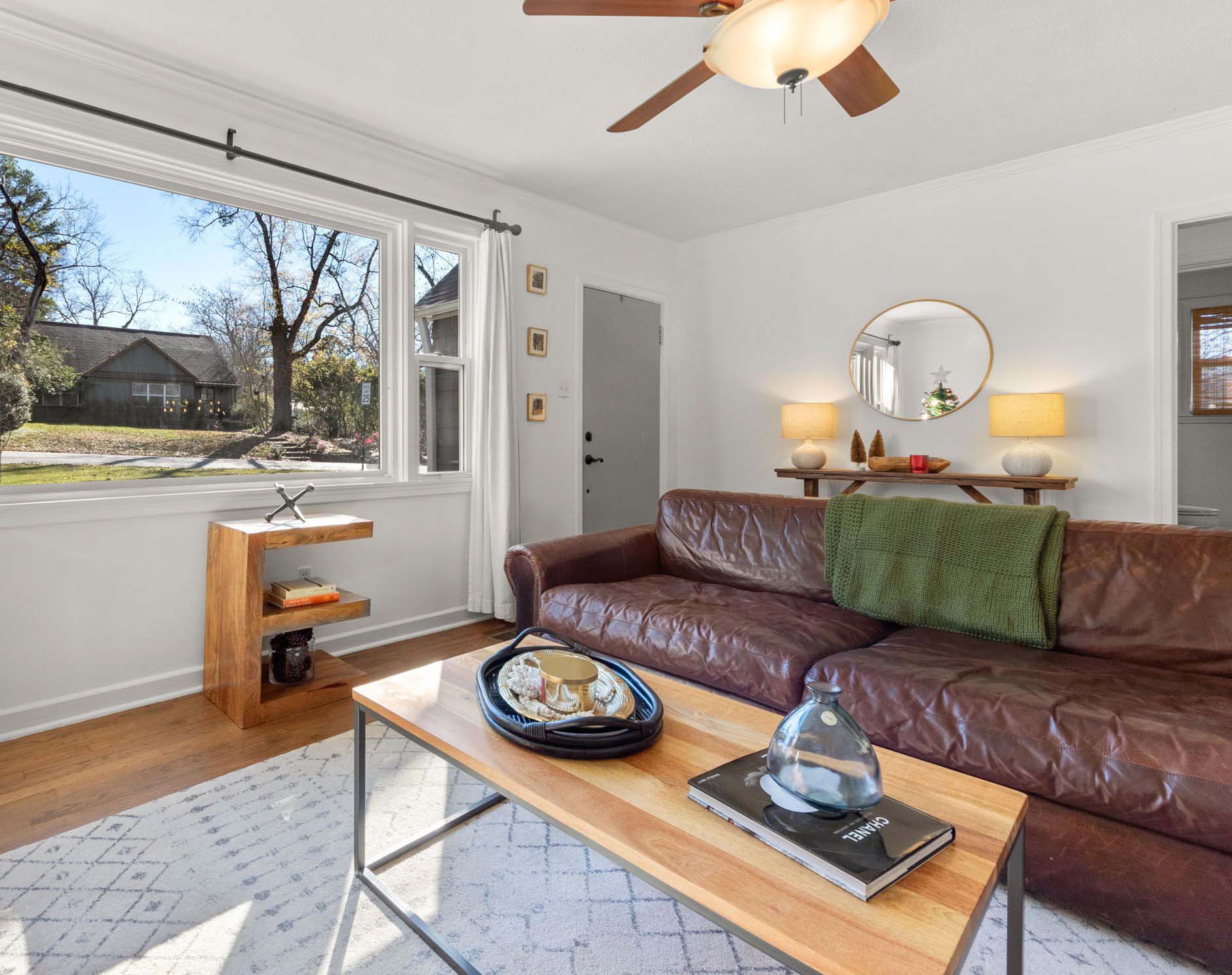
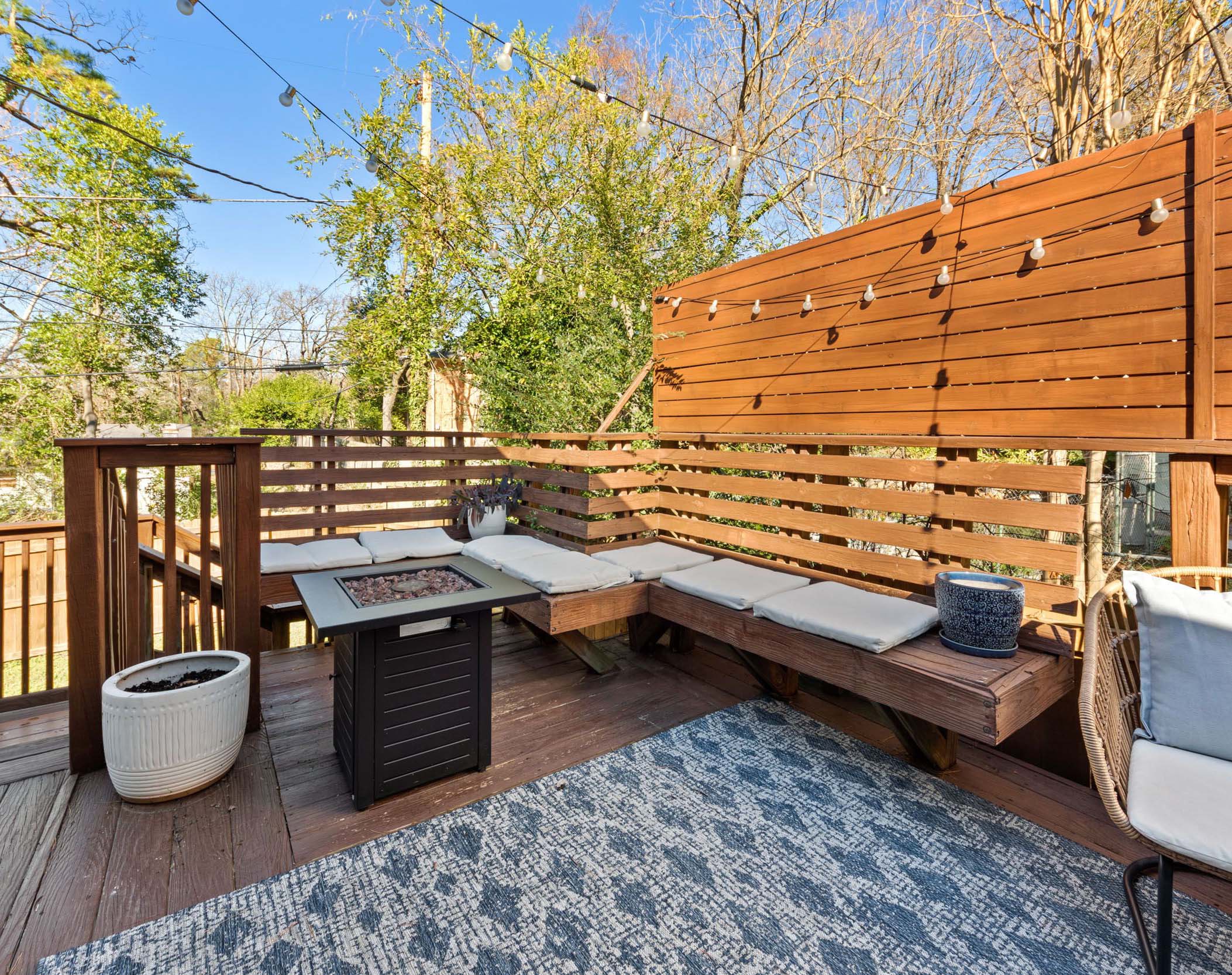
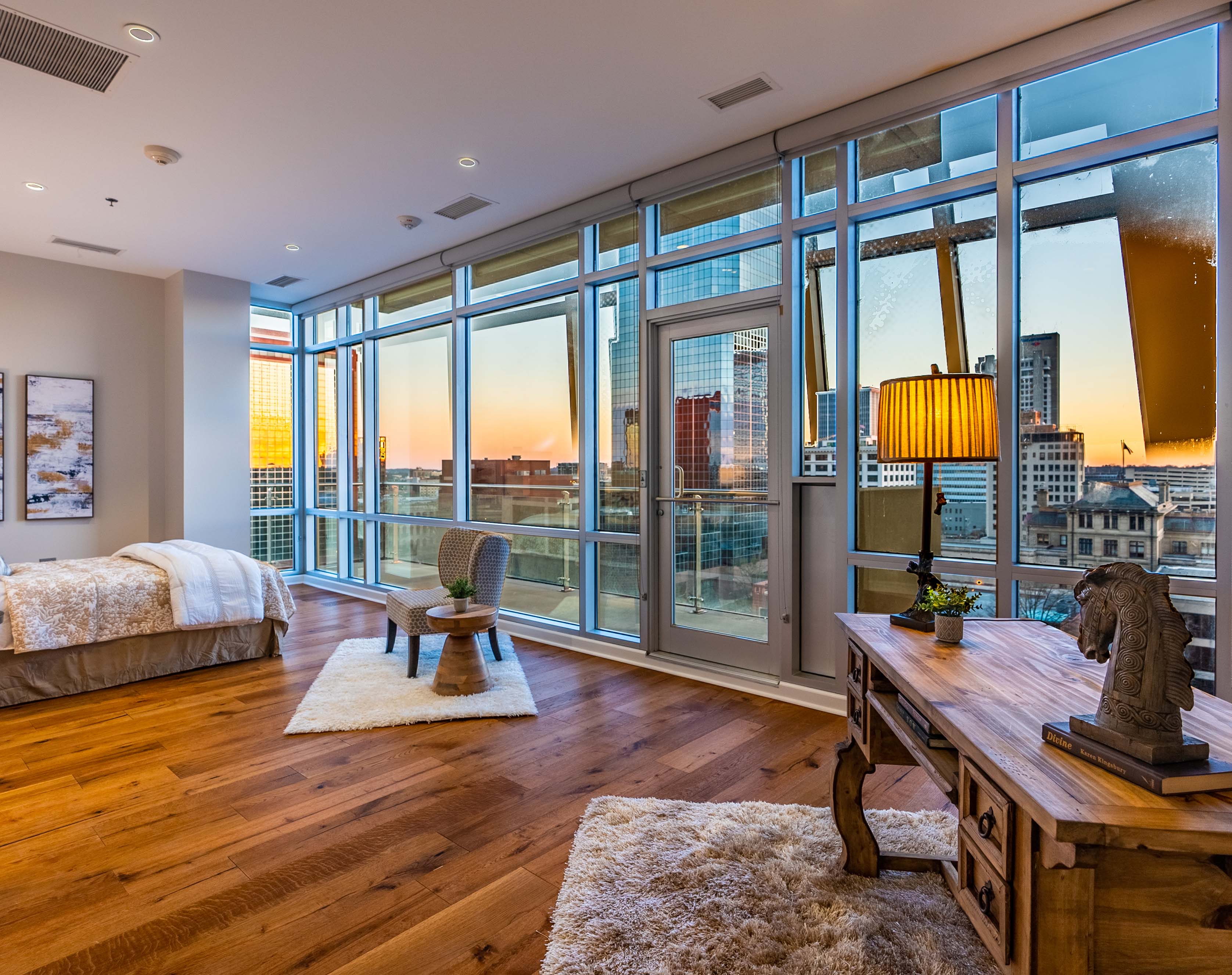
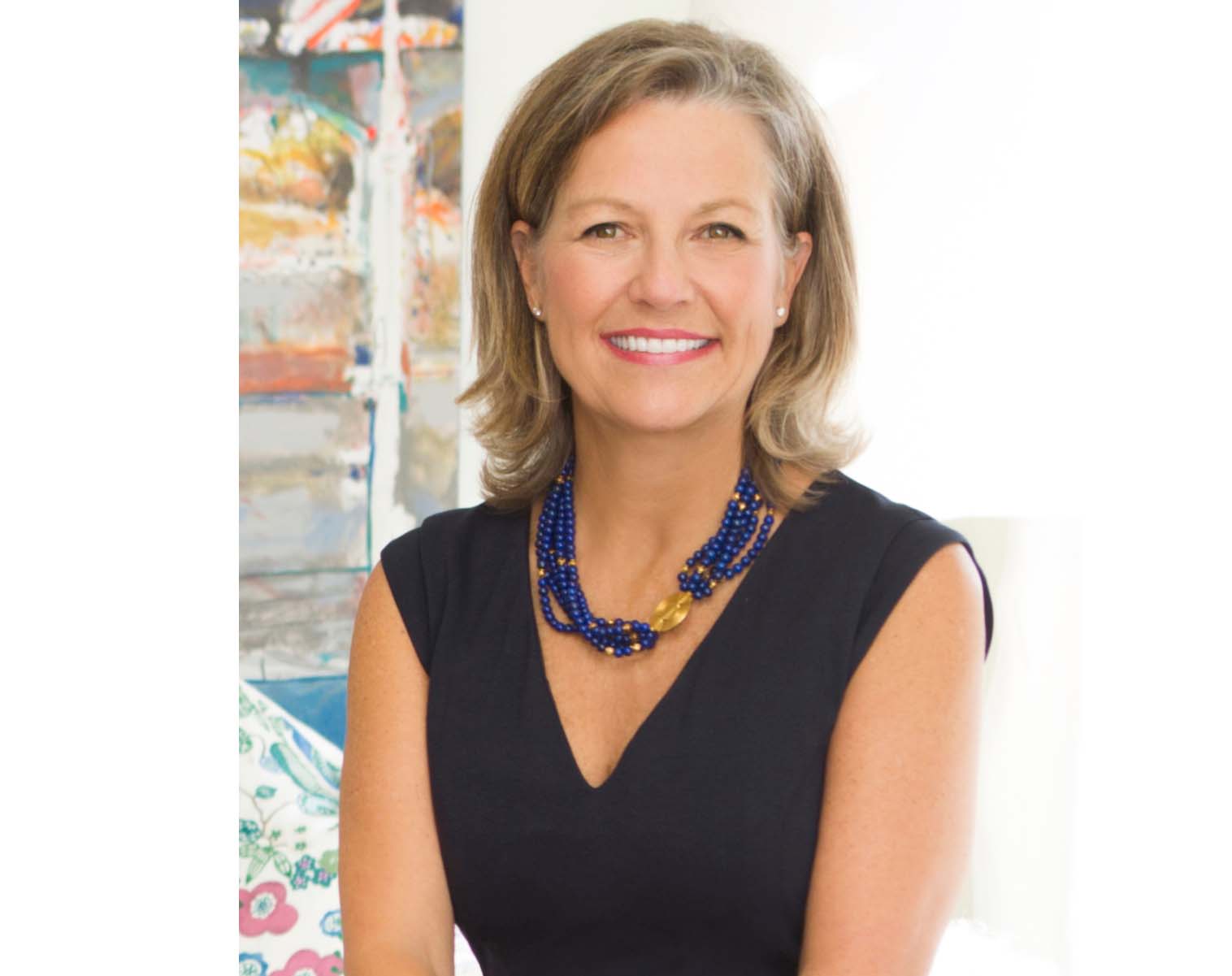
2. Susan Deselle (insert photo - page 12) and Chris Marsh - (insert photo - page 13), owner and director of marketing, respectively, at Capital Sotheby's International Realty in Little Rock, offer their 2020 outlook for the Central Arkansas real estate market. Photos on the front cover and inside include a single-home property and owner-occupied investor estate sold by local Sotheby's agents