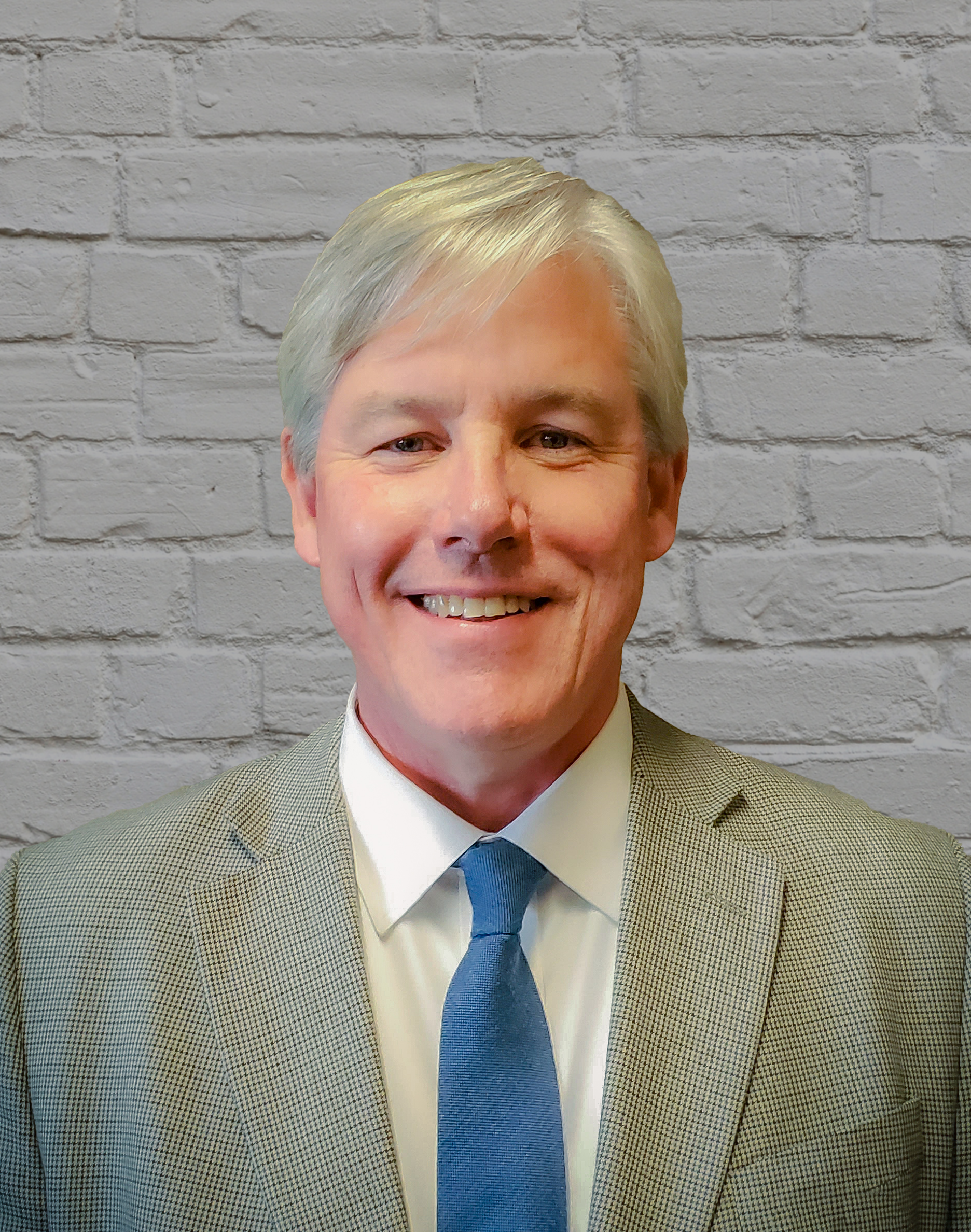

Milo Mumgaard Takes Over as Head of Center for Arkansas Legal Services
December 26 - January 1, 2023
By Dwain Hebda
There are a lot of things about Arkansas that hearken Milo Mumgaard’s home state of Nebraska, namely the dominant rural stretches, the small-state demographics and the friendliness of the people.
He also sees a lot of parallels between the legal issues faced by the poor and disenfranchised in both The Natural and The Cornhusker states. That’s good news; judging by how effective his career has been addressing such matters up north, Arkansas has a lot to look forward to.
“Arkansas is no different than anywhere else,” said Mumgaard, who took over as executive director for Center for Arkansas Legal Services in Little Rock in September. “Low-income people are, generally speaking, given the short shrift when it comes to protections and having their interests and their rights advanced, and we need to have talented, thoughtful and sophisticated advocacy done on behalf of low-income people.
“My career has been entirely devoted to developing and advancing a more equal justice system for everyone.”
Mumgaard grew up as one of 10 children on the outskirts of Lincoln, Nebraska’s state capital. Living on a small farm, he attended the city’s innermost Lincoln High School, which gave him a dual perspective on people in the state’s rural and urban reaches.
“I knew what I wanted to do, which at that time was called public interest law,” he said. “I wasn’t saying I wanted to be a legal aid lawyer or something like that, but I definitely knew I wanted to be an attorney and work in the legal world. I was not thinking about how I could go work at a large law firm or be a prosecutor.”
His postsecondary and graduate education was similarly diverse, earning an undergrad from the hometown University of Nebraska and studying law at New York University. His first legal aid position was representing migrant farm workers in west Texas, after five years of which he came back home. He’d spend more than a decade organizing and heading Nebraska Appleseed, a nationally recognized public interest legal and public policy organization.
“There was a lot of, I would have to say, negative things happening in the mid ‘90s with respect to our legal aid and legal services clientele and really affected the interests of low-income people,” he said. “You may recall welfare reform was going on then, and immigration reform, plus a lot of fallout from some of the crime bills that really affected people’s lives in low-income communities.
“At Appleseed we were also working with new immigrants and immigrant labor, particularly those working within packing plants. I spent a lot of years working almost exclusively around the rights of low-wage, very exploited packinghouse workers.”
Shorter stints with Common Cause and AFL-CIO led to a position in the Lincoln mayor’s office from 2009 to 2015, after which he accepted the position of executive director at Legal Aid of Nebraska. By the time the Arkansas organization came calling following covid, he’d substantially grown Legal Aid Nebraska, both in headcount and coffers.
“I was there for seven years and I was able to institute lots of changes and reforms and improve the finances,” he said. “We doubled the revenue, we doubled the staff size, we instituted a variety of new community-based programs that are very healthy moving forward and bring legal services to low-income clients more effectively. We did a lot more with the pro bono community than had previously been going on, with a lot more volunteer opportunities.”
Asked why he would leave an organization he had done so much to enhance, Mumgaard said he liked the idea of working in a smaller environment.
“Nebraska is pretty large; it’s got 120 or so employees and a budget of $11, $12 million a year,” he said. “Whereas Center for Arkansas Legal Services is maybe a little less than half that size.
“I’m coming here thinking, gee, I’d like to be involved with a new group of people and new issues. Given my rural background and my rural focus, I’ve long been intrigued by the Delta and the issues that come out of work and life in that kind of rural context. I’ve worked a lot with immigrants and small communities and packing houses, so of course I know chicken packing plants very, very well.”
The legal issue he’s most eager to sink his teeth into concerns renters’ rights and battling Arkansas’ eviction laws which lean heavily in the favor of landlords and are considered the strictest in the country.
“I was well aware that Arkansas, as a matter of law and policy, is one of the least helpful to tenants in the country and a state which provides the fewest protections,” he said. “I’m very well-versed in that, as I’ve spent all of my career in states that do not have favorable [renter] laws for low-income people.
“Among the lessons I learned in Nebraska in particular is there are ways of strategically working hard to protect and advance the interests of low-income people even when the laws are not very favorable.”
As renters continue to recover from covid-related reductions in income, Mumgaard said the effort to keep them in decent, affordable housing will be a hot topic issue for the foreseeable future. He mentioned several successful strategies he leveraged in Nebraska, which included upping the legal representation of low-income individuals facing eviction and stepping in to mediate with property owners to reach a conclusion acceptable to all.
“Obviously, it didn’t work for everyone, but what we did was put more resources into having more legal counsel available to directly represent people who were eligible,” he said. “This focus on representation led to better results in negotiation, but also better results in court where, rather than having summary proceedings that are built around lots of presumptions, the courts actually had to try these cases.”
The key to this strategy – widespread participation of the state’s attorneys on a pro bono basis – is another first-row challenge for Mumgaard in his new role. Having successfully implemented growth strategies for such volunteer participation in Nebraska, and he’s confident he can do the same in Arkansas.
“There is great potential for increasing capacity and growth in the work that CALS is doing,” he said. “The way to do that is not rocket science, but it does require one to really think about legal aid and legal services work in a certain vein. The readers of The Daily Record and the legal profession are almost 100 percent, I’m sure, supportive of legal services because they see it as a way that equal access to justice is being provided, and that the playing field is being leveled to a certain degree. That’s one role of legal services and legal aid, no question.
“But the way to raise money, in my experience, is by communities recognizing what the organization actually accomplishes by providing high-quality legal services for people. Financial support and economic support for legal aid is buttressed by those who realize not only are we producing a better civic environment, but we’re also a catalyst for solving some of the problems that are keeping people in poverty.”
1. Milo Mumgaard